
SCHUTZWERK verlängert TISAX-Zertifizierung
9. Mai 2025 #news #automotive security
SCHUTZWERK bleibt ein zuverlässiger Partner für die Automobilindustrie

SCHUTZWERK bleibt ein zuverlässiger Partner für die Automobilindustrie
Wir freuen uns, bekannt zu geben, dass Telechips, ein führender Anbieter von System-on-Chip (SoC)-Komponenten für In-Vehicle Infotainment- und Cockpit-Lösungen in der Automobilindustrie mit Sitz in Seoul, Südkorea, SCHUTZWERK als strategischen Partner für SoC-Cybersecurity-Assessments ausgewählt hat.
Telechips hat sich für eine Kooperation mit SCHUTZWERK, einem renommierten und erfahrenen Anbieter von Automotive- und Embedded-Security-Assessments, entschieden, um umfassende Cybersecurity-Assessments mit dem gesamten SoC-Portfolio bis Ende 2024 durchzuführen.
Während der Zusammenarbeit wird das Fachwissen des erfahrenen Embedded Security Teams von SCHUTZWERK genutzt, um die ganzheitliche Sicherheit der SoCs von Telechips beizubehalten und, wo möglich, noch weiter zu verbessern. Die detaillierte und reproduzierbare Assessment-Dokumentation von SCHUTZWERK in Verbindung mit den etablierten Sicherheitsmanagement-Prozessen von Telechips wird sicherstellen, dass Telechip SoCs eine sichere Wahl für Erstausrüster (OEMs) und Lieferanten weltweit bleiben.
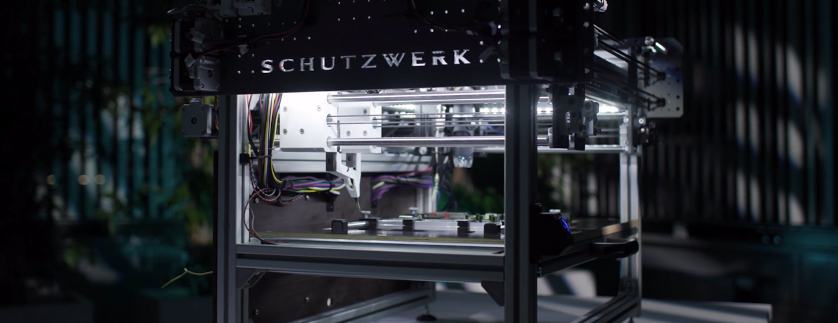
The PROBoter is a modular, self-calibrating probing machine to support PCB analysis tasks in penetration tests of embedded systems. The video of the PROBoter demonstrates its four main contributions: 1) The automatic visual detection of components and contact points on a PCB, 2) the automatic probing of contact points for net reversing and signal detection, 3) the mapping of signal lines to given bus protocols, and 4) the support in identification of potential attack vectors.
A System-on-a-Chip (SoC) is regularly used in the automotive domain to build electronic control units (ECUs) with high demands on different functionalities and computation power. TeleChips, as a leading supplier of SoC components for automotive In-Vehicle Infotainment and cockpit solutions, chose SCHUTZWERK as an independent and experienced provider for automotiveandembeddedsecurityassessments
to analyze their new SoC series TCC803x (Dolphin+). This success story summarizes the approach and results of the comprehensive security assessment.
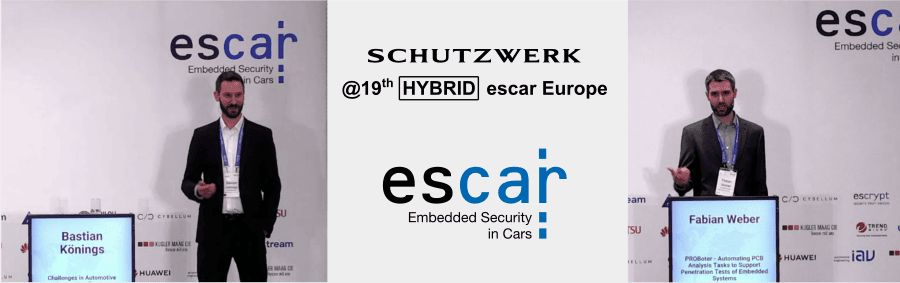
The escar is the world’s leading automotive cyber security conference. SCHUTZWERK participated at this year’s escar Europe with two talks. The first talk of Dr. Bastian Könings discussed the current challenges in automotive penetration testing. The second talk of Fabian Weber presented the PROBoter, a hardware platform to support penetration tests of embedded systems by automating time-consuming analysis tasks.
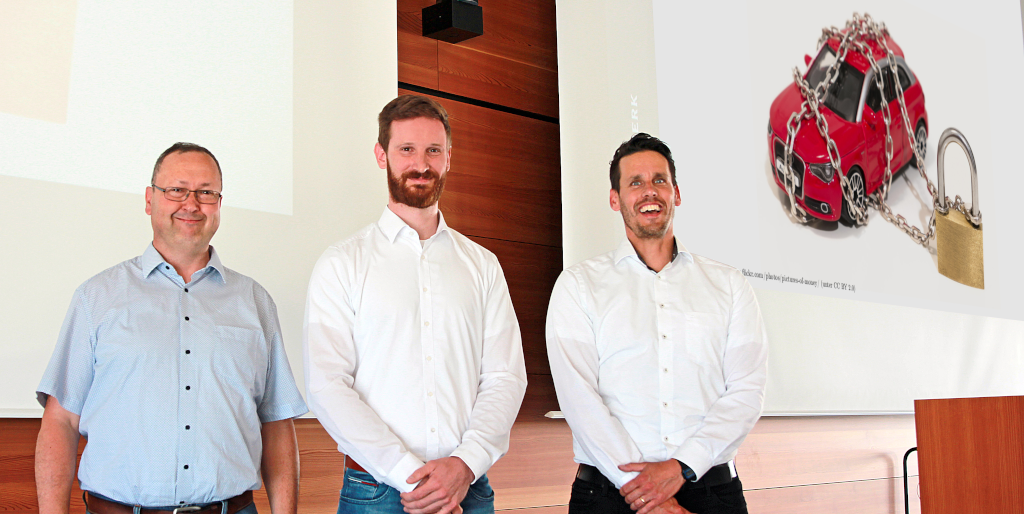
Im Rahmen der Jubiläumsvortragsreihe „10 Jahre IT-Sicherheit“ an der Hochschule Aalen hat Bastian Könings Einblicke in die Sicherheit heutiger und zukünftiger Automobile gegeben. In seinem Vortrag zeigte er bekannte Sicherheitsprobleme auf und stellte existierende Angriffe gegen Fahrzeuge vor. Wie diese Probleme in aktuellen Entwicklungsprozessen versucht werden zu vermeiden, wurde durch die Darstellung von Zielen und Vorgehensweisen der bei SCHUTZWERK durchgeführten Penetrationstests im Automobilumfeld diskutiert.
Der Vortrag gab abschließend einen Ausblick auf aktuelle Bestrebungen in der Absicherung von zukünftigen autonom fahrenden Fahrzeugen, die im Rahmen des BMBF-geförderten Forschungsprojekts SecForCARs erforscht und entwickelt werden. Hierbei beteiligt sich SCHUTZWERK insbesondere an der Entwicklung neuer Methoden und Werkzeuge für die Sicherheitsanalyse von autonomen Fahrzeugen.
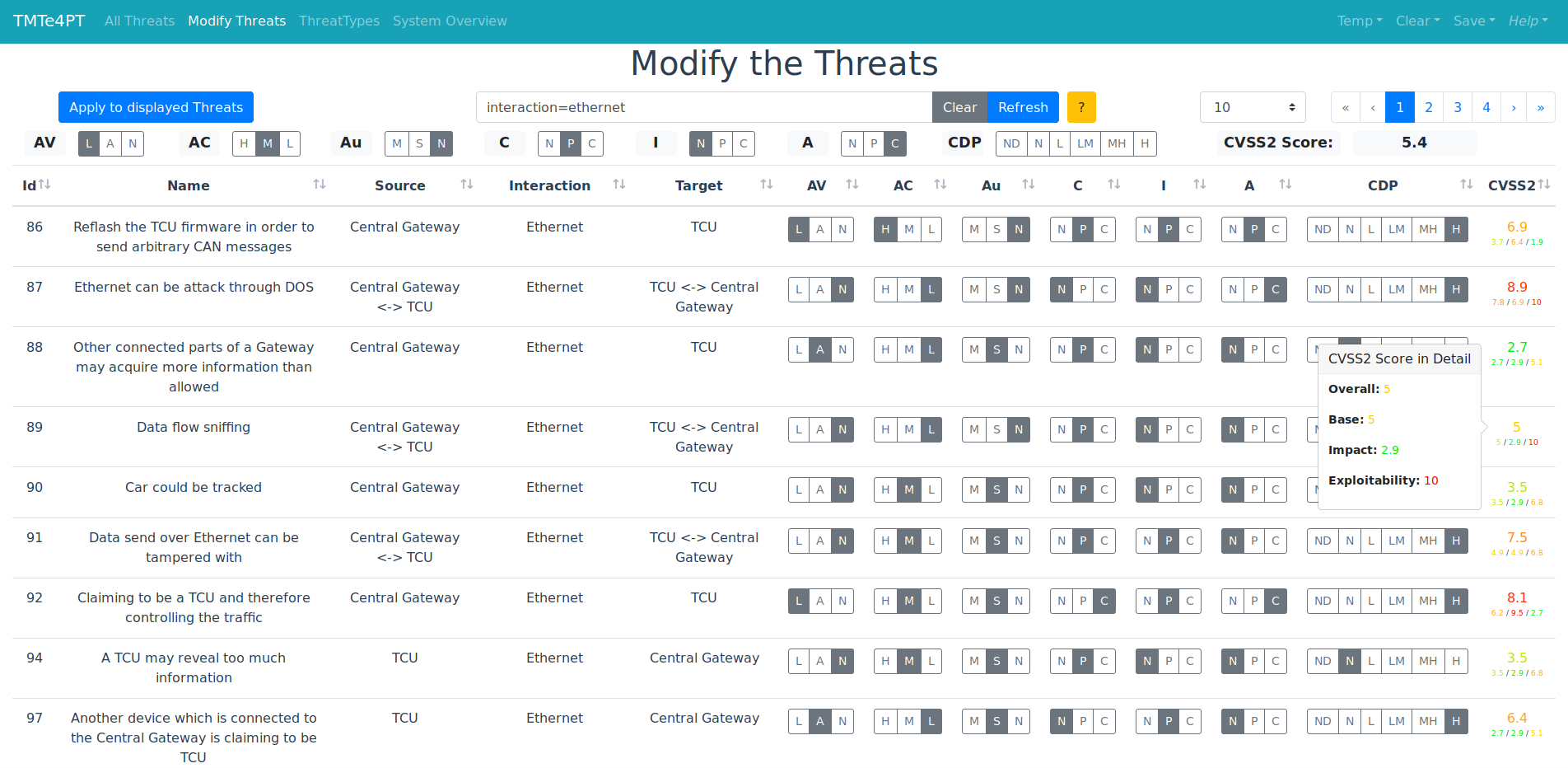
From a traditional point of view, vehicles used to be closed systems in which components communicated between each other over a central vehicle bus and no connection to remote systems was possible. However, this has drastically changed during the last years with increasing connectivity and autonomy of today’s vehicles. While car manufacturers have a long experience in dealing with safety problems, dealing with security risks raised by this development is a relatively new domain for them.

München, 25. Mai 2018 – Je mehr die Elektronik Autos lenkt, beschleunigt und bremst, desto wichtiger wird der Schutz vor Cyber-Angriffen. Deshalb erarbeiten 15 Partner aus Industrie und Wissenschaft in den kommenden drei Jahren neue Ansätze für die IT-Sicherheit im selbstfahrenden Auto. Das Verbundvorhaben unter dem Namen „Security For Connected, Autonomous Cars“ (SecForCARs) wird durch das Bundesministerium für Bildung und Forschung mit 7,2 Millionen Euro gefördert. Infineon leitet das Projekt.
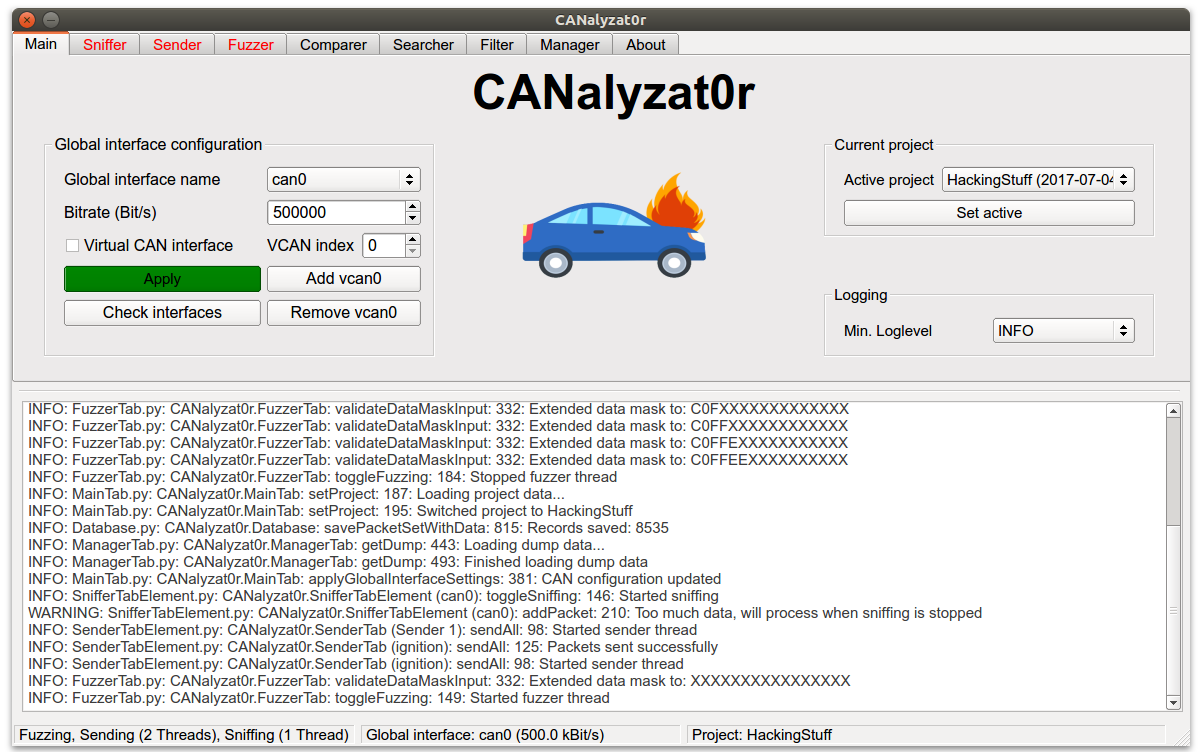
Disclaimer: The elaboration and software project associated to this subject are results of a Bachelor’s thesis created at SCHUTZWERK in collaboration with Aalen University by Philipp Schmied.
While car manufacturers steadily refine and advance vehicle systems, requirements of the underlying networks increase even further. Striving for smart cars, a fast-growing amount of components are interconnected within a single car. This results in specialized and often proprietary car protocols built based on standardized technology. Most of these protocols are based on bus protocols: All network nodes within such a bus network are connected using a single shared data link. This technology provides a feasible way of real time communication between several security and comfort systems. However, often no or insufficient authentication and encryption or other security mechanisms can be found in today’s car systems. As described previously, most of the interchanged data structures on a car network bus, including associated systems, are proprietary. For this reason, there’s a need for open source, extensible, easy to use and publicly available software to analyze the security state of such networks and protocols.