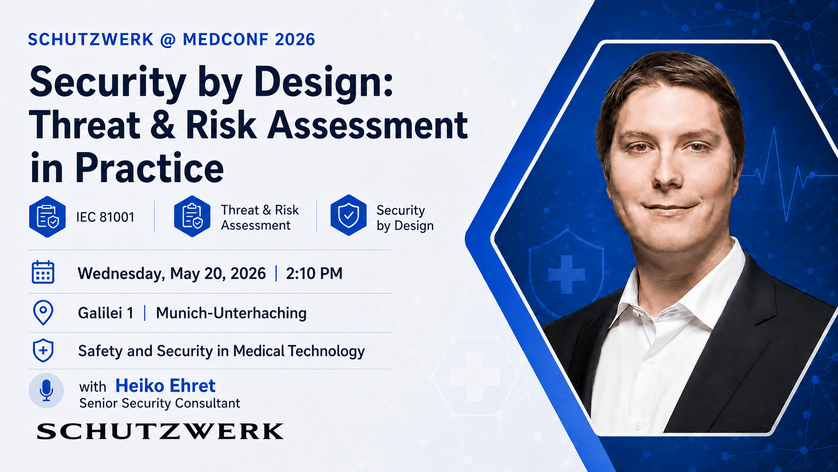
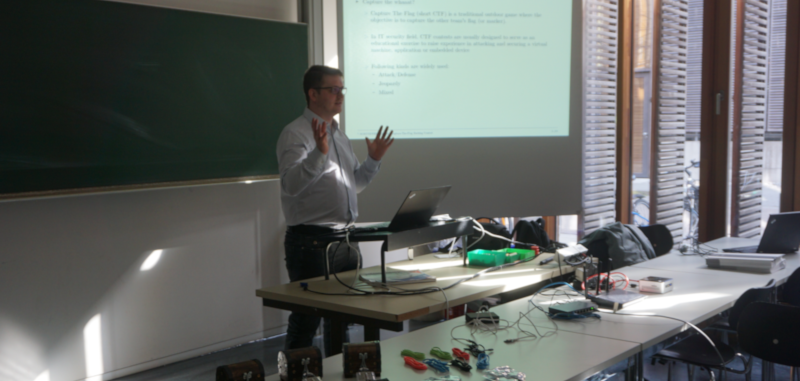
SCHUTZWERK Senior Security Consultant Heiko Ehret will present on practical challenges in implementing IEC 81001 and the importance of Threat and Risk Assessments at MedConf 2026.
Maximilian Heichler from SCHUTZWERK shared insights on AI security at Embedded Testing 2026 – from jailbreaks to prompt injections. A review of a successful conference.
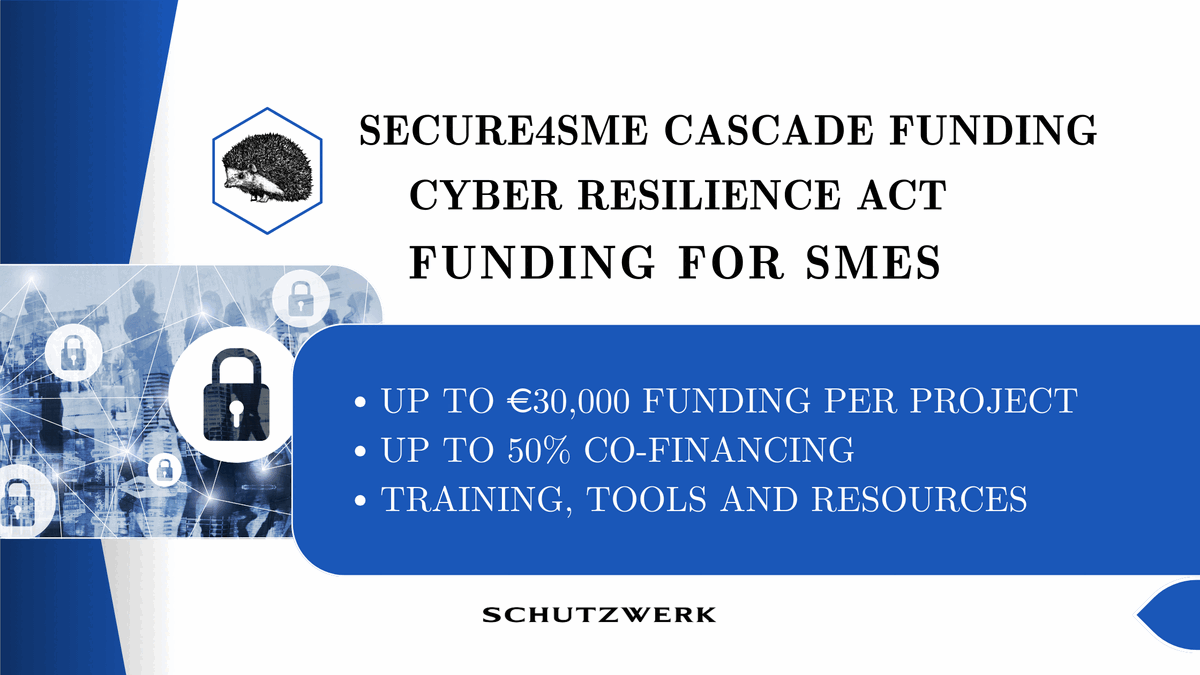
The EU funding program SECURE4SME provides SMEs with up to €30,000 for implementing the Cyber Resilience Act. SCHUTZWERK supports the implementation of fundable cybersecurity measures.
As first step of the embedded fuzzing cooperation with Lauterbach we export snooping data from TRACE32® and use it with Ghidra and its cartographer plugin.
Following two parallel EU-wide tender processes, SCHUTZWERK has been selected as a competent partner for both comprehensive penetration tests and specialized OT security assessments for Deutsche Bahn
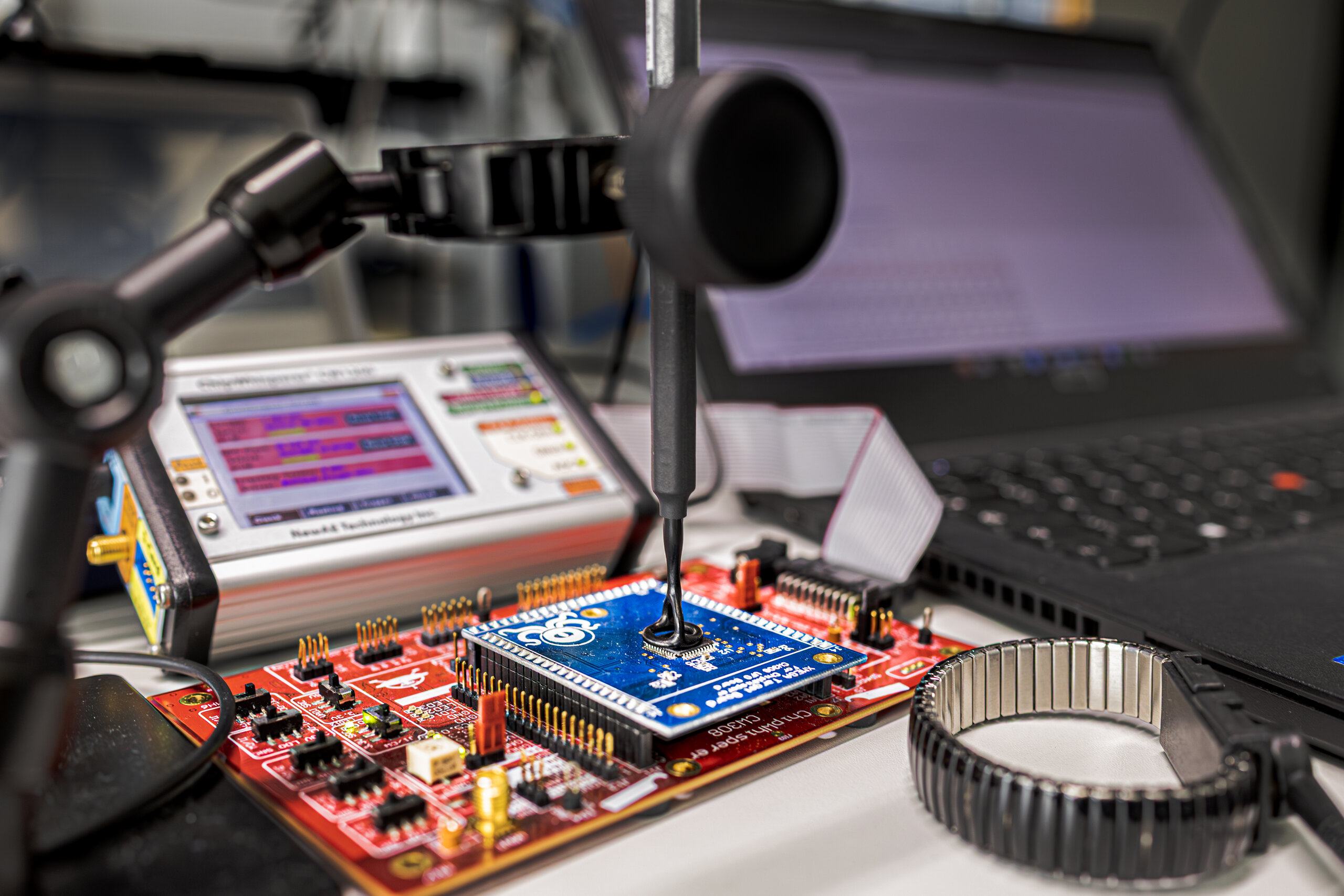
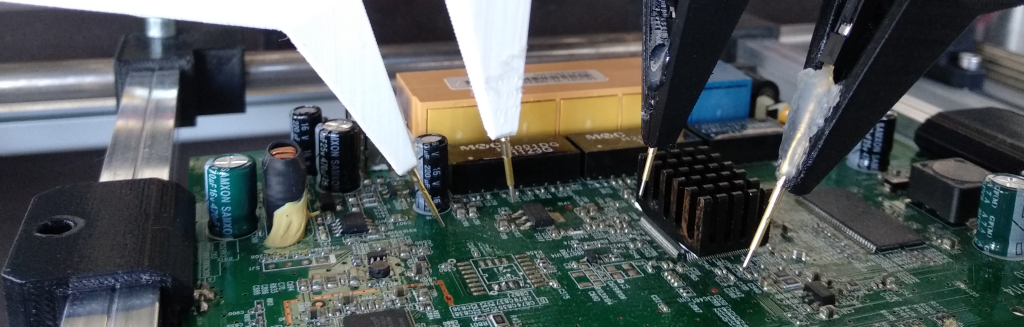
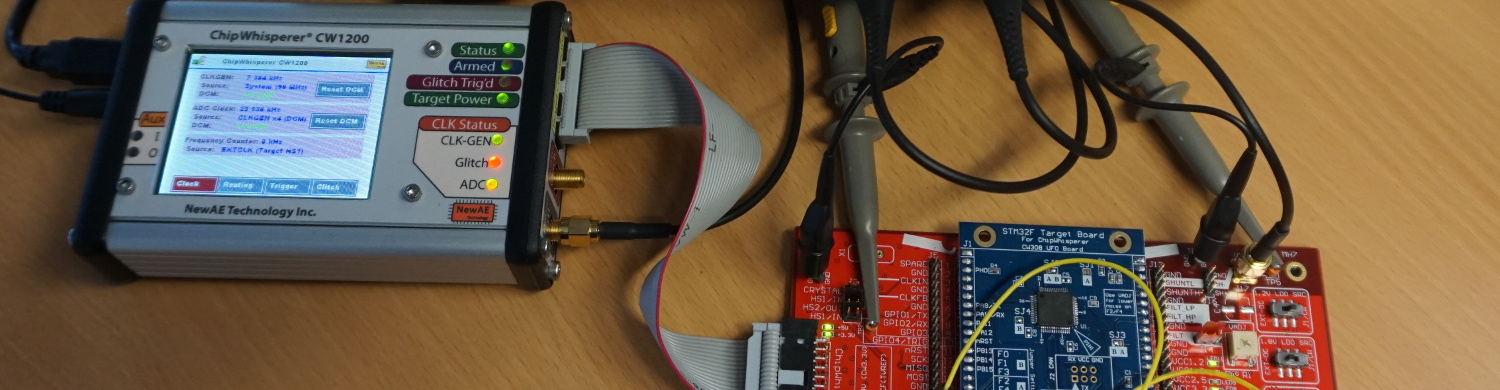
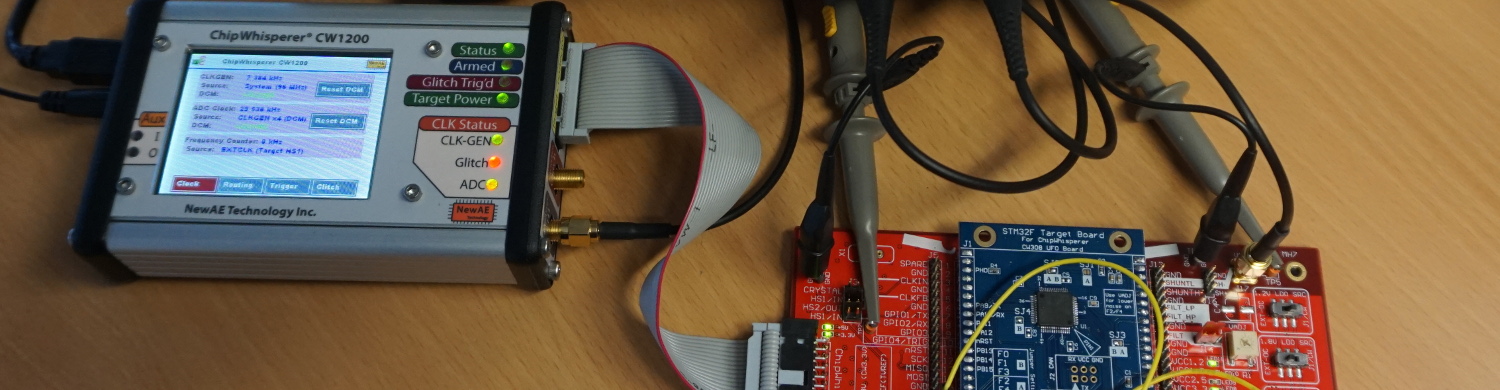
We from SCHUTZWERK will be at the Embedded World in Nuremberg from April 9th to 11th, 2024! The EmbeddedWorldis a trade fair for experts in embedded systems. Come visit our booth 372 in Hall 5 and meet our special companion: Our Glitching Setup, which we use for Fault-Injection attacks as part of EmbeddedSecurityAssessments, for example, to bypass security checks like password prompts.
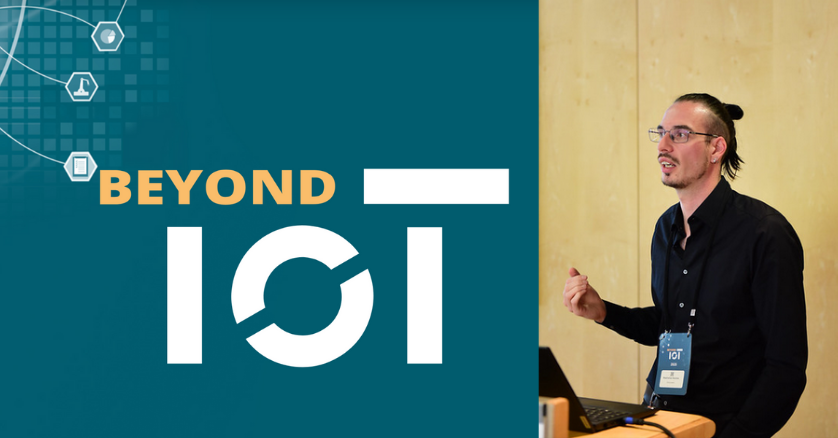
SCHUTZWERK is visiting Munich! From February 21st to 22nd, 2024, we will be at the building IoT Conference participating with a presentation. The buildingIoThas been the meeting point since 2016 for those developing software applications and digital products in the Internet of Things and Industrial Internet of Things.
On February 22nd, in our presentation BreakingThroughtheWall:SideChannelAttacksandFaultInjectionwe will showcase invisible methods through which attackers obtain confidential information. We will shed light on hidden dangers and provide a practical and illustrative insight into the topic, strengthening awareness of the complex threats in the highly connected world of IoT.
We are excited to announce that Telechips, a leading supplier of System-on-Chip (SoC) components for automotive In-Vehicle Infotainment and cockpit solutions based in Seoul, South Korea, has selected SCHUTZWERK as their strategic partner for SoC cybersecurity assessments.
Telechips has chosen to partner with SCHUTZWERK, a renowned and experienced provider of automotiveandembeddedsecurityassessments, to conduct comprehensive cybersecurity assessments of their entire SoC portfolio through the end of 2024.
The last part of the PROBoter series showed how innovative algorithms can help an embedded system pentester to analyze recorded voltage signals of an unknown PCB. Besides basic signal characteristics, these algorithms can link signal lines and identify communication buses typically found on PCBs like I2C or SPI. In this final post of the PROBoter series, we draw the big picture of the PROBoter software framework. In parallel to the release of this post, all missing services forming the framework are released on the PROBoter Github repo.
SCHUTZWERK will be at the building IoT conference in Munich from April 26 to 27, 2023 giving a talk. Since 2016, buildingIoThas been the meeting place for those who develop software applications and digital products in the Internet of Things and the Industrial Internet of Things.
On April 27, we will give the talk Easypreyforhackers?FindingandavoidingtypicalvulnerabilitiesinIoTsolutions, presenting the most common and relevant vulnerabilities in IoT devices from our assessment practice. We will explain the vulnerabilities using real-life practical examples and show how they can be uncovered during penetrationtestingand thus detected and fixed at an early stage.
This article is an extension to the SCHUTZWERK blog post series about the PROBoter PCB analysis platform. It introduces the algorithm of the Time Invariant Signal Analysis, which the PROBoter uses to produce information on the functionality of the conducting paths identified on a PCB from passive eavesdropping.
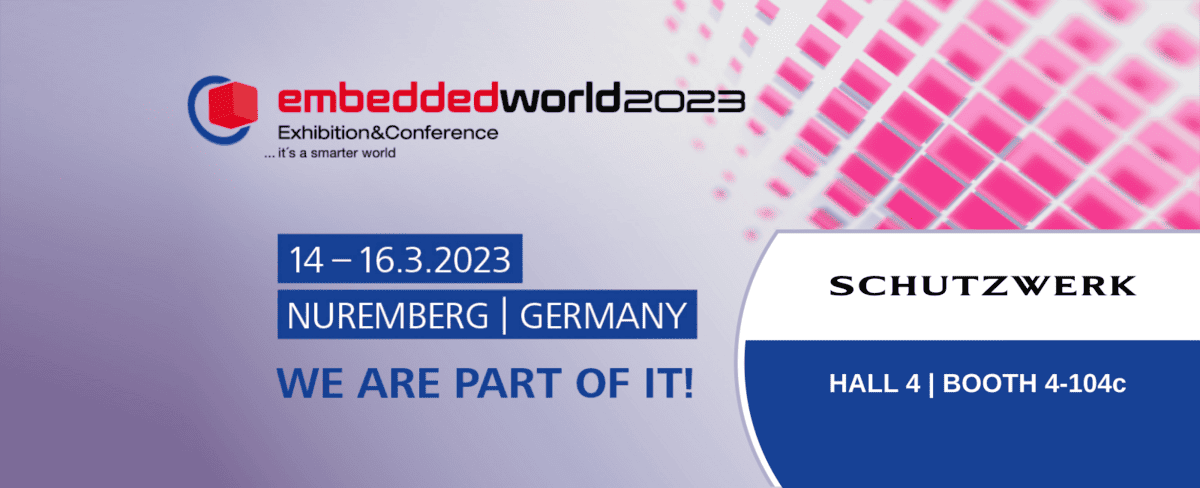
SCHUTZWERK will be present at EmbeddedWorldin Nuremberg from March 14-16, 2023. Embedded World is the trade fair for experts along the entire value chain of embedded systems. Visit our booth 4-104c in hall 4 and see our PROBoterin action. We will be happy to present our services in the area of EmbeddedSecurityAssessmentsand explain which vulnerabilities we can uncover from silicon to the cloud. For example, learn more about the possibilities of SoC-specific analyses or attack vectors using power glitching and power analysis. We look forward to your visit. Make a reservation for a discussion at our booth in advance or ask for a free ticket by e-mail to info@schutzwerk.com.
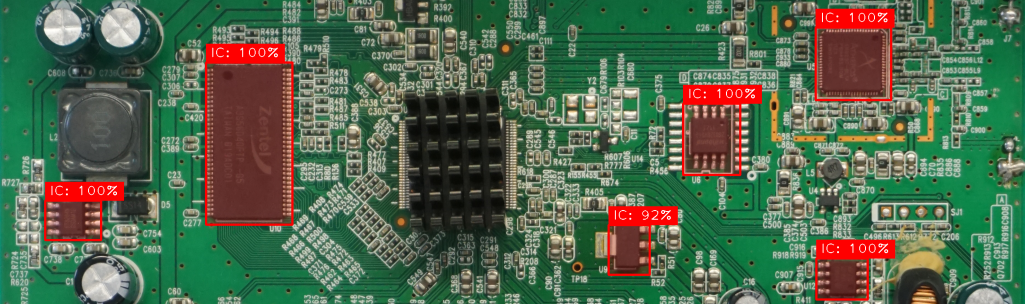
The last part of the PROBoter series introduced the heart of the PROBoter framework - the hardware platform. The platform allows (semi) automated electrical probing of an unknown PCB which is usually a very time consuming and error prone task. This post focuses on methods to automate the initial analysis step of an embedded system - the visual analysis of the PCB(s) forming the device under test.
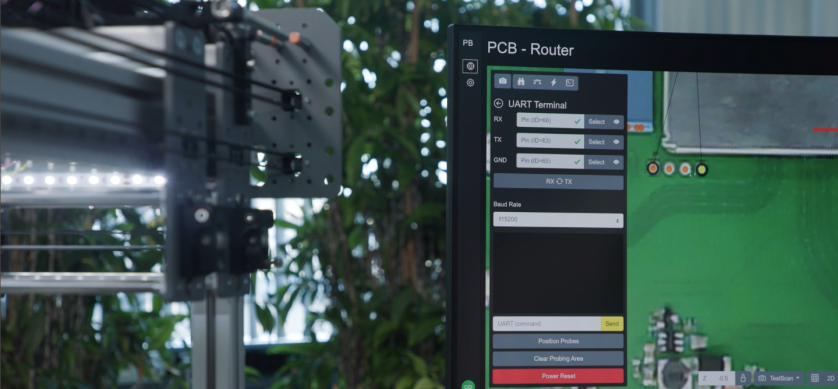
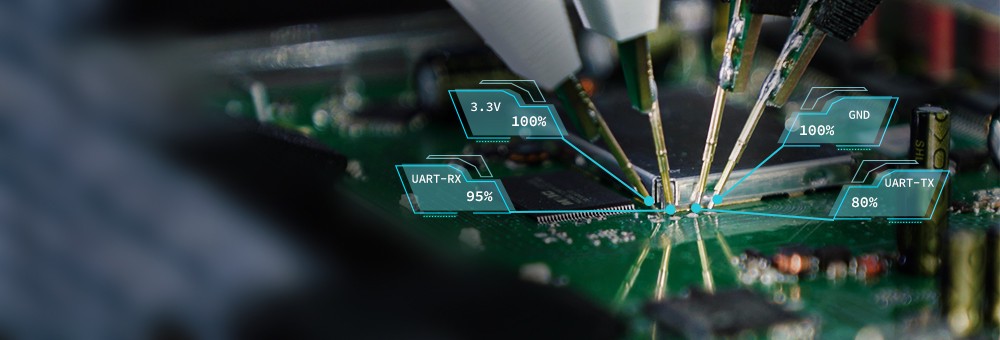
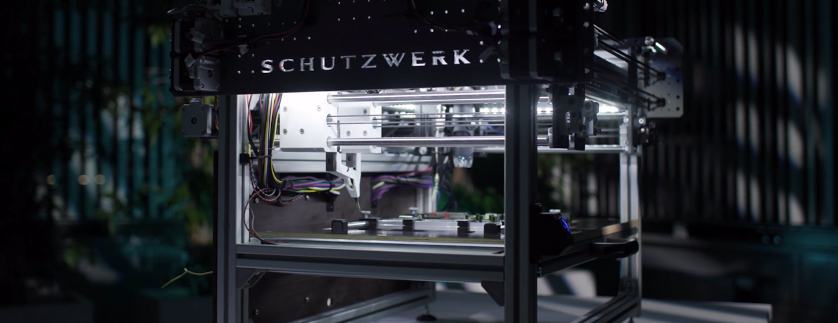
The PROBoter is a modular, self-calibrating probing machine to support PCB analysis tasks in penetration tests of embedded systems. The video of the PROBoter demonstrates its four main contributions: 1) The automatic visual detection of components and contact points on a PCB, 2) the automatic probing of contact points for net reversing and signal detection, 3) the mapping of signal lines to given bus protocols, and 4) the support in identification of potential attack vectors.
The first part of the PROBoter series gave an introduction to the manual process of embedded system pentesting. It then showed a possible automated workflow which will be implemented in the form of the PROBoter platform. After a longer phase of further internal development and evaluation, this post describes the core component of the PROBoter framework - a hardware platform for automated electrical probing and PCB image generation.
A System-on-a-Chip (SoC) is regularly used in the automotive domain to build
electronic control units (ECUs) with high demands on different functionalities
and computation power. TeleChips, as a leading supplier of SoC components for
automotive In-Vehicle Infotainment and cockpit solutions, chose SCHUTZWERK as an
independent and experienced provider for automotiveandembeddedsecurityassessments
to analyze their new SoC series TCC803x (Dolphin+). This success story
summarizes the approach and results of the comprehensive security assessment.
In this blog post we present a Bayesian statistical model to detect cryptographic timing attacks. This model is one of the results of a customer hardware assessment performed by the SCHUTZWERK GmbH. The assessment was performed in a gray box context, i.e., we were able to interact with the encryption hardware, but were not given any internal implementation details.
Security analysis of embedded systems on the Printed Circuit Board (PCB) level can be a very tedious and time-consuming task. Many steps like visual PCB inspection and reverse engineering of security relevant nets, i.e. electrically connected components, is usually done manually by an embedded security expert. PROBoter aims at automating this manual analysis.
In the previousposta setup and a technique to extract a representative section of a powertrace of a specific instruction of a STM32F3 processor were described. This section is called a “template”. These templates should later be used to identify instructions via a power sidechannel and reconstruct the flow of an unknown program on a controller that can not be dumped via JTAG.
In this part of our poweranalysis series the extracted templates from the previous post will be analyzed to determine whether they are representative enough to reverse engineer
entire programs from a powertrace. The following list shows the topics of all scheduled blog posts. It will be updated with the corresponding links once new posts are being released:
This is the first part of a three part series about power analysis based software reverse engineering. It is part of our work in the SecForCARs project and the bachelor thesis ‘Poweranalyse basiertes Software Reverse Engineering mit Hilfe von Fuzzing’. The results will be summarized in this blogpost series. In this first part the goals of the research and the power analysis template extraction process are presented.
In cooperation with the Aalen University of Applied Sciences, SCHUTZWERK organized another successful hacking event for their students. As part of the all-day event, the students were invited to solve challenges from different categories and levels of difficulty. New this year were, besides the updated Challenges in the existing areas, challenges from the topic Hardware / Embedded Security.
At this point we would like to thank the University for the cooperation and congratulate the winners of the event.
From a traditional point of view, vehicles used to be closed systems in which components communicated between each other over a central vehicle bus and no connection to remote systems was possible. However, this has drastically changed during the last years with increasing connectivity and autonomy of today’s vehicles. While car manufacturers have a long experience in dealing with safety problems, dealing with security risks raised by this development is a relatively new domain for them.
For the second year SCHUTZWERK was a sponsor of the hardwear.ioconference in Den Haag. This year, we attended the conference with 3 employees focused on hardware and embedded security.
The Training Session
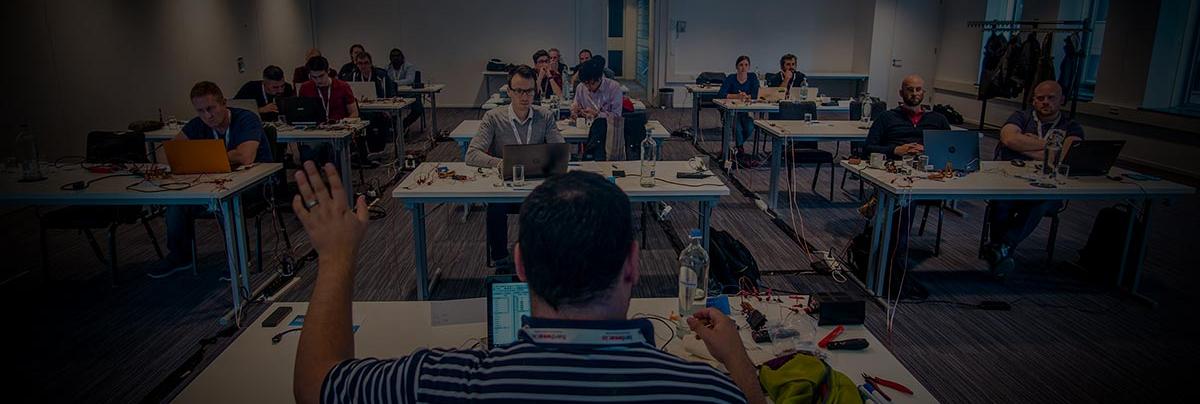
One of our hardware specialists, Heiko Ehret, learned how to reverse engineer a microchip in the training ICreverseengineering101from Tuesday to Wednesday. In this training the principles of gaining access to the DIE of a chip were presented and in the practical part for example photos, which were taken with a scanning electron microscope (SEM), were analyzed to extract the computational structure as well as reading out the contents of the memories. Using these methods, you can analyze the chip for possible vulnerabilities. With this knowledge, intrusive attacks like microprobing, ion-beam or laser fault injection were planned against the target to gain control of the IC and extract information.
hardwear.io will take place in Den Haag/Netherlands on 11th-13th of September 2018. SCHUTZWERK GmbH is an official sponsor of the event.
hardwear.ioSecurity Conference is a platform for hardware and security community where researchers showcase and discuss their innovative research on attacking and defending hardware. The conference will present and discuss current topics of hardware security, for example concerning automotive and IoT sectors.
SCHUTZWERK regularly conducts technical assessments and security consulting in the area of embedded systems and IoT, see also EmbeddedSystemsAssessment. We will take part with several participants and look forward to interesting discussions.
Disclaimer: The elaboration and software project associated to this subject are results of a Bachelor’s thesis created at SCHUTZWERK in collaboration with Aalen University by Philipp Schmied.
While car manufacturers steadily refine and advance vehicle systems,
requirements of the underlying networks increase even further. Striving
for smart cars, a fast-growing amount of components are interconnected
within a single car. This results in specialized and often proprietary
car protocols built based on standardized technology. Most of these
protocols are based on bus protocols: All network nodes within such a
bus network are connected using a single shared data link. This
technology provides a feasible way of real time communication between
several security and comfort systems. However, often no or
insufficient authentication and encryption or other security
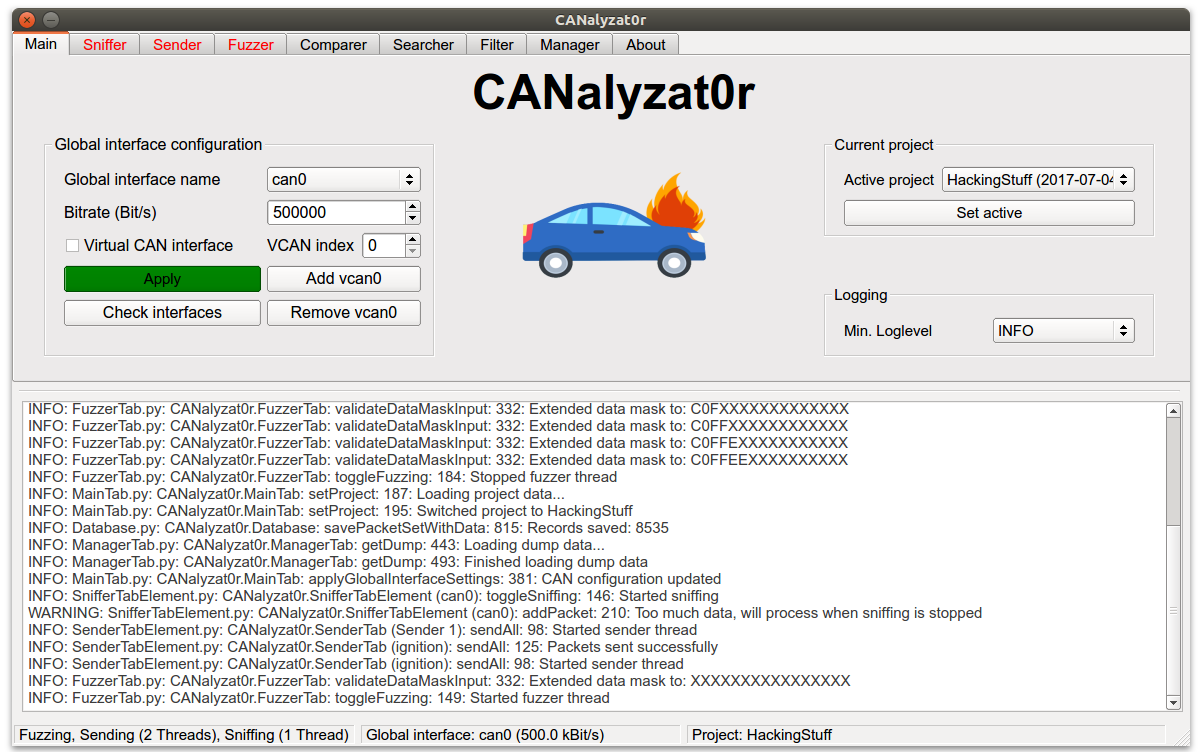
mechanisms can be found in today’s car systems. As described previously, most of the interchanged data structures on a car network
bus, including associated systems, are proprietary. For this reason,
there’s a need for open source, extensible, easy to use and publicly
available software to analyze the security state of such networks and
protocols.
hardwear.io will take place in Den Haag/Netherlands on 21st-22nd of September 2017. SCHUTZWERK GmbH is an official sponsor of the event.
hardwear.ioSecurity Conference is a platform for hardware and security community where researchers showcase and discuss their innovative research on attacking and defending hardware. The conference will present and discuss current topics of hardware security, for example concerning automotive and IoT sectors.
SCHUTZWERK regularly conducts technical assessments and security consulting in the area of embedded systems and IoT, see also EmbeddedSystemsAssessment. We will take part with several participants and look forward to interesting discussions.